30‑Mile Commute Test: 2025 Harley‑Davidson Street 750’s Comfort Score
Learn how the 2025 Street 750 performs on a real‑world daily ride and which compromises actually matter. Most reviews gloss over commuter‑specific pain points, leaving new owners with surprise expenses.
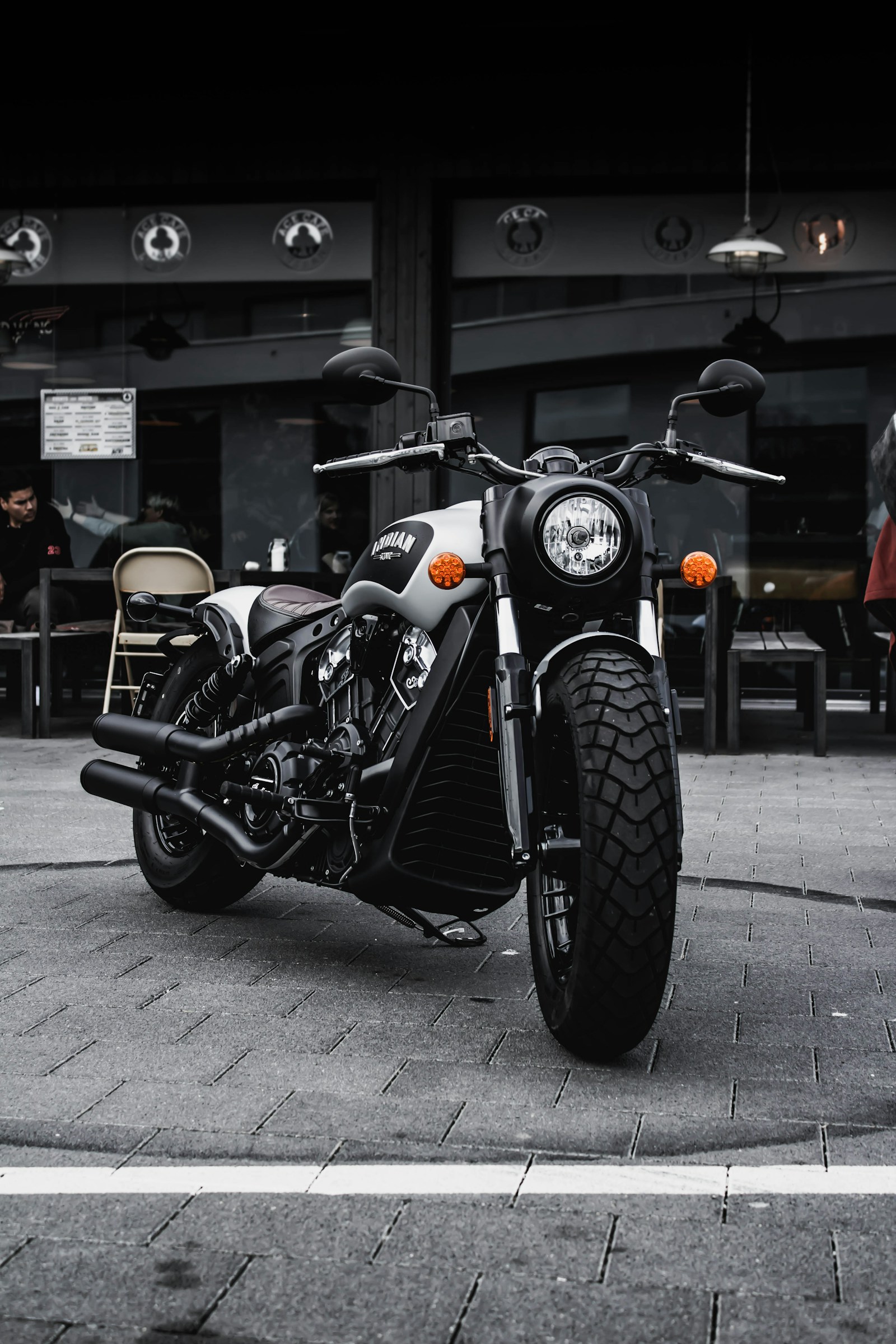
Every city rider knows the moment a glossy brochure meets the reality of rush‑hour traffic: a price tag that feels justified until the first gravel‑filled pothole turns a smooth morning into a sore‑back afternoon. The Street 750 promises a low‑entry price and classic V‑twin growl, yet the hidden cost of daily fatigue can outweigh the initial savings.
When you slot a 750‑cc cruiser into a commuter’s schedule, the first test is how the bike negotiates stop‑and‑go snarls without draining your stamina. The chassis, built on a steel frame, feels solid but carries a weight that demands more effort at each light than a lightweight naked bike would. Riders report that the low‑slung center of gravity helps cornering at low speeds, yet the same geometry forces the footpegs to stay forward, pulling the hips into an awkward stretch during prolonged idling.
Most commuters overlook the seat’s impact until the first long stretch of highway reveals a pressure point that never seemed real on the showroom floor. The stock cushion uses a single‑density foam that compresses quickly under a rider’s weight, especially when wearing a winter jacket. After thirty minutes of steady cruising, the lower lumbar region begins to ache, a sensation that intensifies on bumpy streets where the rear suspension’s limited travel fails to absorb every vibration.
The stock windscreens on the 2025 model are essentially a small visor, offering minimal deflection at highway speeds. Riders heading into a downtown wind tunnel describe a constant buffeting that forces the shoulders up and the neck to twist for balance. Adding an aftermarket screen can reduce this drag, but the cost ranges from a modest $150 for a basic acrylic piece to over $500 for a carbon‑fiber unit with adjustable height.
The fuel‑economy claim of “approximately 55 mpg” sounds impressive until you factor in real‑world riding styles. Aggressive throttle inputs in city traffic typically shave five to ten miles per gallon off the advertised figure, while a steady 45‑mile commute at 55 mph can hover around the 50‑mpg mark. For a commuter covering 15 miles each way, the monthly fuel bill can swing between $70 and $120 depending on riding habits, local gas prices, and whether you choose a fuel‑injected model with a larger tank.
Maintenance on a Harley cruiser often feels like a subscription service, especially when the bike is used for daily mileage. The recommended oil change interval of 5,000 miles translates to roughly three changes per year for a commuter, each costing $40‑$70 when performed at an independent shop. Tire wear accelerates on urban streets, with a set of 120/70‑19 front and 150/70‑17 rear tires lasting anywhere from 8,000 to 12,000 miles, translating to an annual expense of $250‑$400 if you replace them on schedule.
Practical steps to turn the Street 750 into a commuter‑friendly machine
A well‑chosen seat pad can extend riding comfort without a full aftermarket swap. Gel‑filled cushions retail between $30 and $80 and can be installed with a single bolt, delivering immediate relief for most riders. If the bike’s rear feels too soft, a set of progressive springs costs $120‑$200 and restores a firmer feel without compromising ride quality.
Bigger wind protection can be achieved by mounting a universal “touring” screen; these units range from $150 for a basic acrylic to $450 for a wind‑tunnel‑shaped carbon version. Installation typically requires a few minutes and a torque wrench, a task most DIY‑oriented riders can complete in an afternoon.
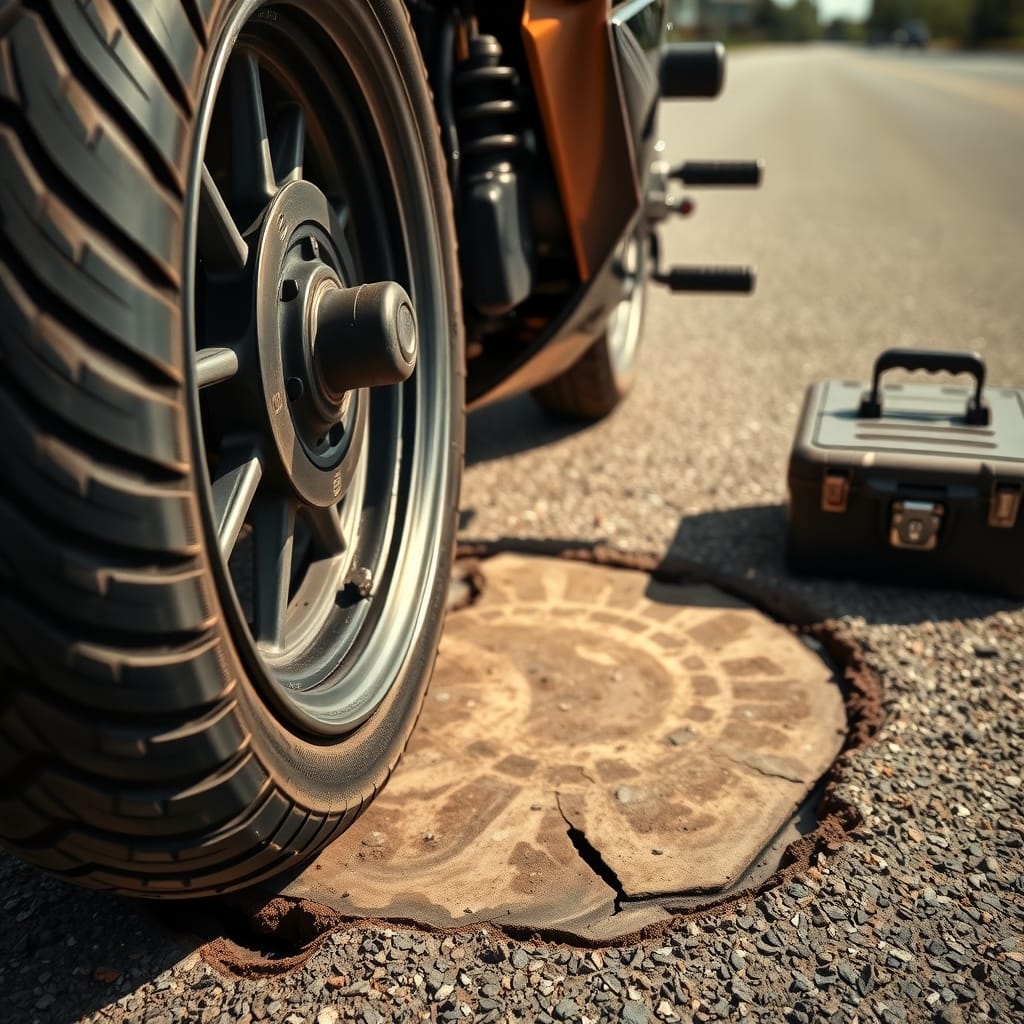
Choosing a tire with a harder compound helps the bike survive city potholes; the price per tire sits between $150 and $220, and a set of both front and rear can be fitted during the next scheduled service. Keep an eye on tread depth; a legal minimum of 2 mm often feels too thin for high‑speed stability, so targeting 4 mm before replacement offers a safer margin.
Insurance premiums for a 750‑cc cruiser vary widely by state, age, and driving record, but most commuters see quotes between $150 and $300 per year for a standard liability plan. Adding a “low‑mileage” endorsement can shave fifteen percent off the rate if you log under 5,000 miles annually.
Finally, budgeting for routine checks—chain tension, brake pad wear, and coolant levels—prevents surprise repair bills. Expect to set aside $100‑$150 each quarter for these consumables, a modest amount that pays off by avoiding a busted chain or worn brake disc mid‑commute.
What to double‑check before you sign the contract
First, verify the odometer reading against the dealer’s service log; a discrepancy of more than 500 miles could indicate tampering. Next, confirm that the bike includes the advertised warranty coverage, particularly the power‑train portion that lasts three years or 12,000 miles. Lastly, request a written breakdown of any dealer‑added accessories, ensuring that each item’s cost aligns with market prices before you hand over a deposit.
Keep reading
How the Kawasaki Vulcan S Beats the Competition for Under
You’ll discover how the Vulcan S stacks up against rival mid‑range cruisers in real‑world cost and ride quality. Most guidebooks skim the numbers and skip the long‑haul comfort test, leaving buyers blindsided.