Pick a Cruiser That Stands Up to ‑Mile Tours on a Shoestring
You’ll learn which cruiser models deliver real mileage comfort without draining your wallet, and which compromises to avoid. Most guides obsess over styling and horsepower, ignoring the hidden costs that turn a dream tour into a financial nightmare.
Long‑haul touring on a tight budget feels like a tightrope walk: you need a bike that can chew miles, keep you upright for hours, and stay out of the repair shop while the fuel gauge stays above the red line. Slip on a cheap‑look cruiser that sagged under a loaded saddle and you’ll spend more on tow trucks than on coffee stops.
Can a cheap cruiser really handle a thousand‑mile stretches?
Seat shape is the first battlefield. A split‑seat with a slight forward tilt lets the hips lock in place, reducing the need to constantly readjust after the first hundred miles. Models that use foam cores wrapped in gel tend to keep pressure points at bay longer than plain foam.
Rear suspension matters just as much as the front fork. A dual‑shock setup with adjustable preload will adapt to a full pannier load without turning every bump into a jolt. Look for bikes that ship with at least 5 mm of travel; anything less will feel like a pogo stick on the interstate.
Wind protection is often an after‑thought in budget listings, yet a low‑profile windshield can shave ten minutes off a ten‑hour day by reducing wind‑burn fatigue. Even a half‑size screen made from polycarbonate adds a layer of comfort without the weight penalty of full‑size touring fairings.
Which engine families give you miles without guzzling cash?
Classic V‑twins deliver the rumble that cruiser fans adore, but a 750‑cc parallel twin can produce similar low‑end torque while offering better fuel economy and lighter overall weight. The lower piston mass also translates to fewer valve adjustments over the bike’s life.
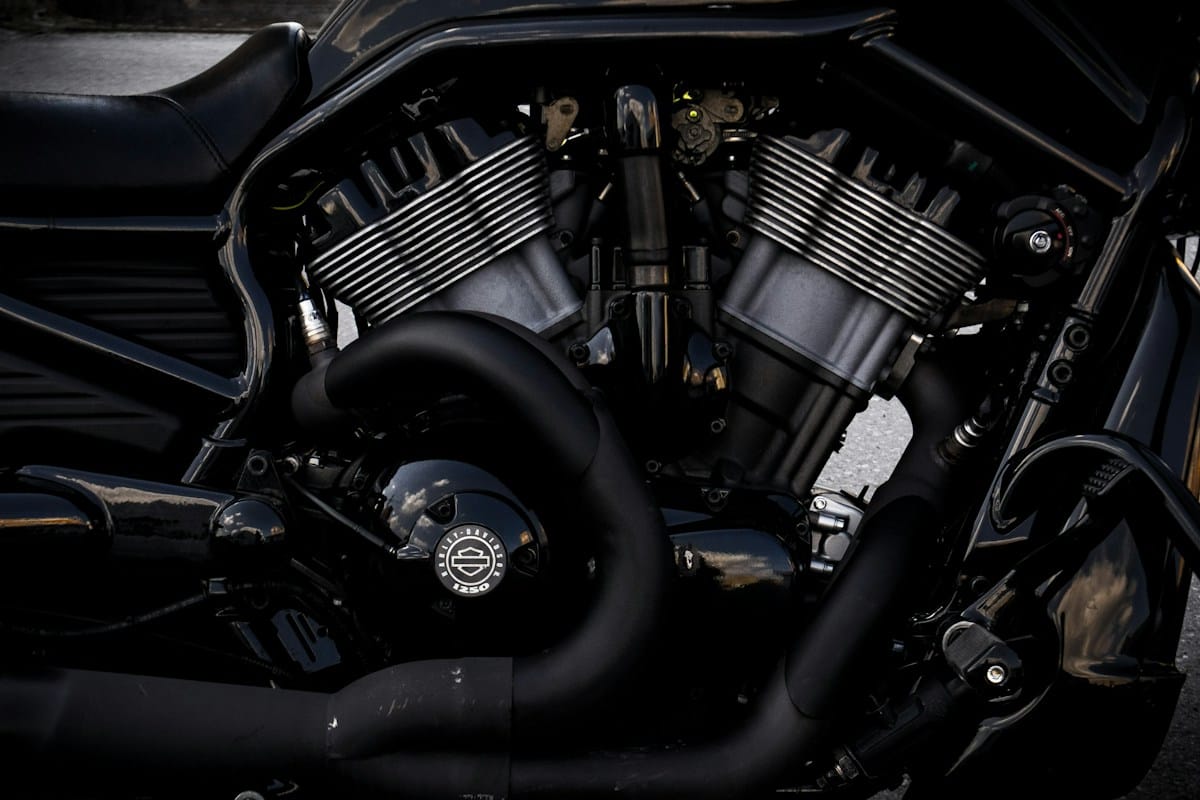
Air‑cooled engines sidestep the complexity of liquid cooling systems, meaning fewer hoses to replace and no radiator leaks to chase. They tend to run hotter in traffic, so a good quality oil cooler becomes a worthwhile add‑on for riders who expect to sit in stop‑and‑go zones.
Reliability scores climb when a model has a service interval of twelve thousand miles or more. A bike that asks for a valve adjustment at six thousand miles will double labour costs over a two‑year touring stint. Choose an engine that the community praises for “run‑and‑forget” behavior.
How do aftermarket parts affect long‑haul value?
A detachable luggage rack made from aluminum adds only a few pounds but grants the freedom to carry a waterproof dry‑bag, a spare tire, and a compact tool kit. The price of a decent rack usually falls between a low‑end and a mid‑range tier, making it a cost‑effective upgrade.
Adjustable footpegs let you fine‑tune leg posture, which becomes crucial after the fifth hour of riding. Swapping stock pegs for a set with multiple positions can prevent knee strain without breaking the bank.
A low‑profile LED headlamp replaces a halogen unit and cuts electrical load, extending battery life on long trips where you may run auxiliary accessories. The upgrade also improves night‑time visibility, a safety factor many budget riders overlook.
What hidden expenses turn a budget bike into a money pit?
Tire wear accelerates when a cruiser carries a full touring load, especially if the stock tire is a sport‑oriented tread. Expect to replace both front and rear tires at least once during a 12‑month, 10,000‑mile touring cycle.
Insurance premiums rise sharply for bikes with a high displacement or a reputation for speed. A cruiser that sits at the low end of the displacement spectrum often enjoys a lower rate class, keeping the monthly bill manageable.
Fuel consumption spikes when the bike’s carburetor is out of tune. A cheap adjustment can shave a half‑gallon off each tank, which adds up to dozens of dollars over a cross‑country run.
Regular chain maintenance—cleaning, lubricating, and checking tension—prevents premature sprocket wear. Neglecting this routine can force a replacement that costs more than the chain itself.
Action steps: Build a touring‑ready cruiser without blowing the budget
- Select a model with a 750‑cc to 900‑cc parallel twin or low‑displacement V‑twin. These engines strike a balance between torque and fuel mileage, and parts are widely available in the aftermarket.
- Fit a half‑size windshield made from polycarbonate. Expect to spend a few hundred dollars; the comfort gain outweighs the modest price tag.
- Install an aluminum luggage rack and a waterproof dry‑bag. The rack itself usually falls in the low‑to‑mid range, while a decent dry‑bag can be sourced for a fraction of that cost.
- Swap stock footpegs for adjustable units. A set of three‑position pegs typically costs under a hundred, and the ergonomic benefit is immediate.
- Upgrade the headlamp to an LED unit. LED conversions are inexpensive and provide a noticeable improvement in night visibility.
- Schedule a carburetor or fuel‑injection tune‑up before the first long ride. A professional service often fits into a modest budget, and the fuel savings pay for itself quickly.
- Buy a set of high‑quality chain lube and a cleaning brush. Regular maintenance costs only a few dollars per month but prevents expensive drivetrain failures.
- Allocate funds for two tire replacements over the first year. Even if you find a discount, budgeting for the swap avoids surprise expenses mid‑trip.
Final checklist before you sign any paperwork
- Verify the odometer reads the mileage the seller claims; a discrepancy of a few hundred miles can indicate tampering.
- Confirm the VIN matches the title and registration documents; mismatched numbers often signal a stolen or rebuilt bike.
- Test the brakes on a quiet stretch; listen for any grinding or uneven pull that could hide costly rotor work.
- Check that the suspension preload knobs turn smoothly and hold position under load; stuck adjustments lead to premature wear.
- Inspect the exhaust for rust or cracks; a compromised pipe can fail under the sustained high RPMs of highway cruising.
Cross every item off this list, then you’ll ride out knowing the bike’s comfort, handling, and hidden costs are all in line with a shoestring budget.